Fragrance comparison Hawas Black vs. Hacivat
 |  |
|---|---|
| Leading accords | |
|
|
| Usage | |
Versatile | |
| Season | |
All year | |
| Estimated longevity | |
| 9h · High | 10h · High |
| Projection | |
| Strong | Strong |
| Price range | |
| Low | High |
| Top notes | |
|
|
| Heart notes | |
|
|
| Base notes | |
|
|
| Category | |
| Arabic | Designer |
| Marketed for | |
Male | Unisex |
| Release year | |
| 2024 | 2017 |
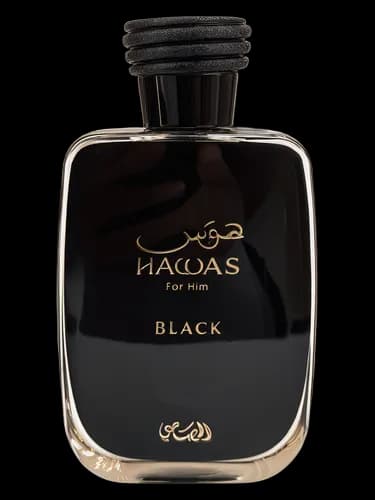
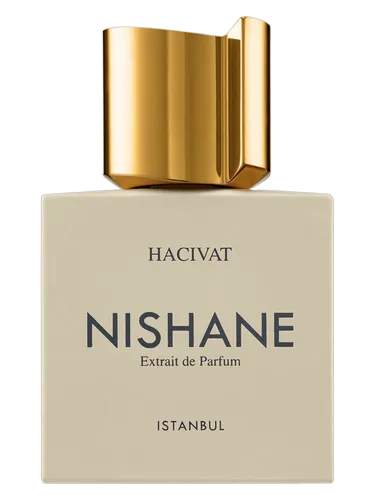
Hawas Black by Rasasi and Hacivat by Nishane both open with pineapple and citrus over a woody, mossy base. Sample Hawas Black first if amber and dark woods appeal to you. Start with Hacivat if you like bitter grapefruit up front and a drier, slightly mineral wood accord as it settles.
Do they open the same way?
Both brands list bergamot, pineapple and grapefruit at the top, with cedar, patchouli and jasmine in the heart. Rasasi describes bergamot setting the pace in Hawas Black, with pineapple and grapefruit adding juiciness. Nishane calls out the bitterness of the grapefruit in Hacivat. If citrus peel is part of the appeal for you, look for that edge in the first few sniffs.
What changes when the citrus fades?
Oakmoss runs through both drydowns. Rasasi lists amber alongside dark woods for Hawas Black. Nishane pairs oakmoss with Clearwood and Dry Timberwood for the dry, mineral effect it describes in Hacivat. Nishane also describes an ambery facet to Timberwood. When you sample them side by side, notice how the warmth of the woods sits against the moss once the fruit has faded.
Frequently asked questions
How close is Hawas Black to Hacivat?
They’re close in the way they move from pineapple and citrus to cedar and oakmoss. That makes Hawas Black worth sampling if you like that progression in Hacivat. If the dry woods in the Nishane are what you’d miss most, give the Rasasi time to settle before deciding.
Is this Hacivat or Hacivat X?
This comparison uses the original Hacivat extrait de parfum. Hacivat X also lists pineapple and bergamot, and adds pink pepper, lime and orange blossom to its published notes. Nishane lists Haitian vetiver in its base, a different direction from the oakmoss and dry woods in the original.